

AERC Summit: High-level Roundtable with African Central Bank Governors
December 1, 2025The future of Africa’s Central Banks: Proactive and more integrated policies
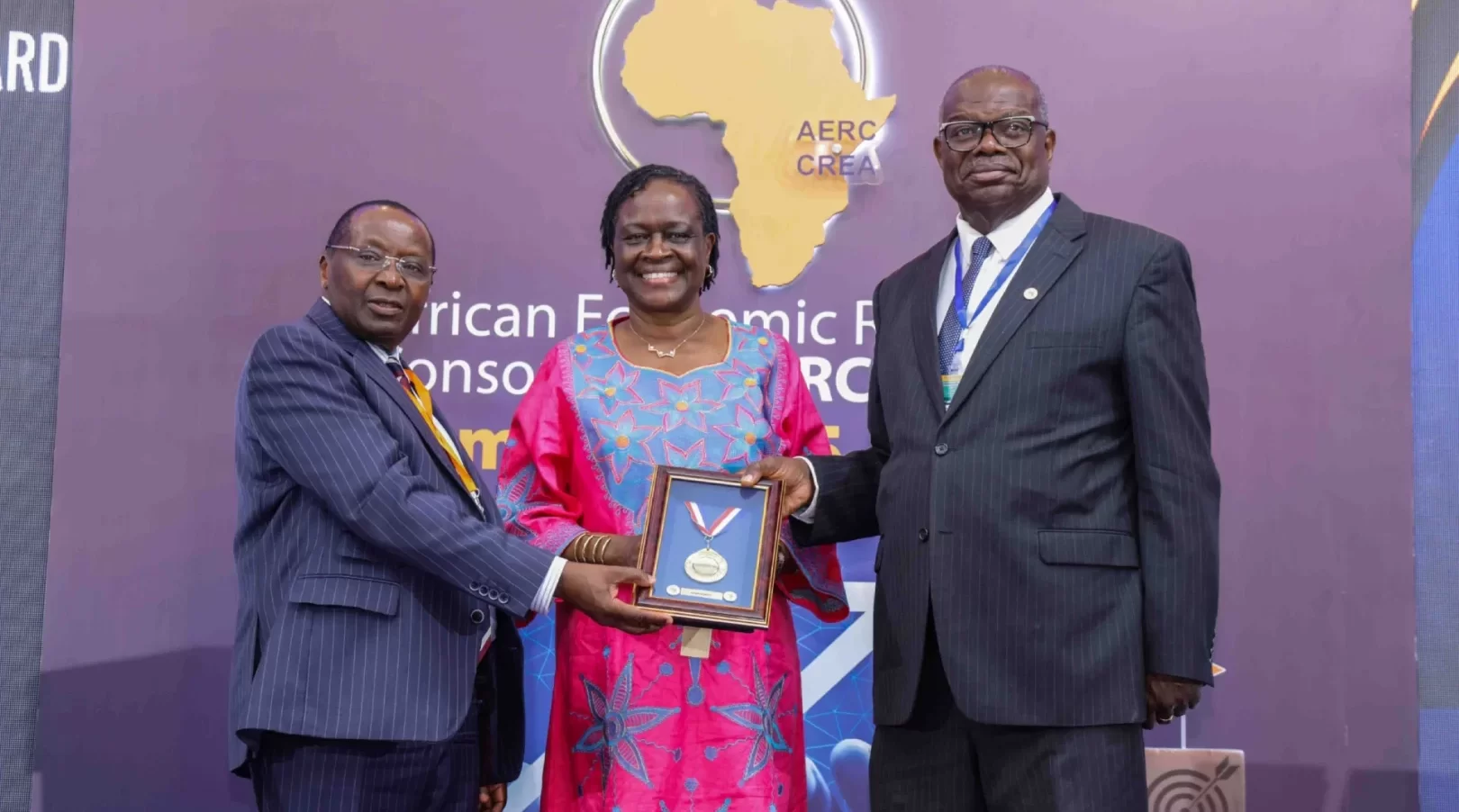
African Central Bank Governors gathered for a high-level roundtable to discuss the challenges facing monetary policy and financial regulation across the continent. The African Economic Research Consortium forum provided a vital platform for sharing insights on navigating an increasingly complex economic environment. The major issues discussed by governors included debt management, financial risks related to climate change and the need for cooperation to create robust financial systems.
The panel consisted of Reserve Bank of South Africa Governor, Dr Lesetja Kganyago, Bank of Uganda Governor, Dr Michael Atingi-Ego, Vice Governor of the Bank of West African States (BCEAO), Michel Dzombala and Deputy Governor, Central Bank of Zambia, Dr Francis Chipimo
A key highlight of the discussions was Zambia’s remarkable transition from debt distress to recovery. Dr Francis Chipimo, the Deputy Governor of the Bank of Zambia, highlighted how the country moved from being on the defaulters list back to financial stability. Years of unsustainable debt and external shocks had weighed heavily on Zambia’s economy. However, through disciplined reforms and restructuring, over 90% of Zambia’s external debt was recently removed from the list of defaulters.
Essential reforms in Zambia’s banking sector have supported the progress made so far. The 2022 Bank of Zambia Act introduced tighter governance arrangements and established committees to reinforce oversight and independence. These changes have put the Central Bank in a better position to regulate the sector and protect economic stability. Dr Chipimo emphasised that Zambia’s experience offers valuable lessons in discipline and consensus-building for other African countries to draw upon.
Climate change and how it interacts with financial stability also dominated the discussion. Michel Dzombala, the Deputy Governor of the Central Bank of West African States (BCEAO), highlighted the increasing risks posed by climate change and the inclusion of this factor in central banks’ monetary policies. In response, BCEAO has established specialised committees and supports green bonds to finance sustainable projects. This attention to climate finance reveals a new understanding that African central banks bear a responsibility to stimulate resilient and ecologically sustainable economies.
The governors emphasised the need for cooperation and research to overcome the emerging risks. Dr Chipimo welcomed the AERC platform because it brought together countries that faced similar economic shocks and needed to share from each other’s experiences. Both he and Dzombala urged Central Banks to leverage new technologies, such as artificial intelligence, to identify risks better and improve decision-making. They also called for strategic partnerships to fill data gaps and to support evidence-based policies that protect financial stability.
As the session came to a close, governors agreed that African central banks stand at a critical juncture. Moving from reactive approaches to proactive and integrated policies is imperative. Zambia’s debt restructuring experience exemplifies the fact that recovery is possible even in less-than-ideal conditions with commitment and cooperation. The same increasing attention to climate risks shows the expanded mandate of central banks in support of sustainable development.
In conclusion, today’s roundtable gave a reason to be optimistic about the future of African central banking. Strengthening institutions, encouraging innovation and regional cooperation will be important, supported by sound research. If discipline and cooperation continue, African central banks can safeguard economic stability while advancing resilience and inclusive growth across the continent.
Read More